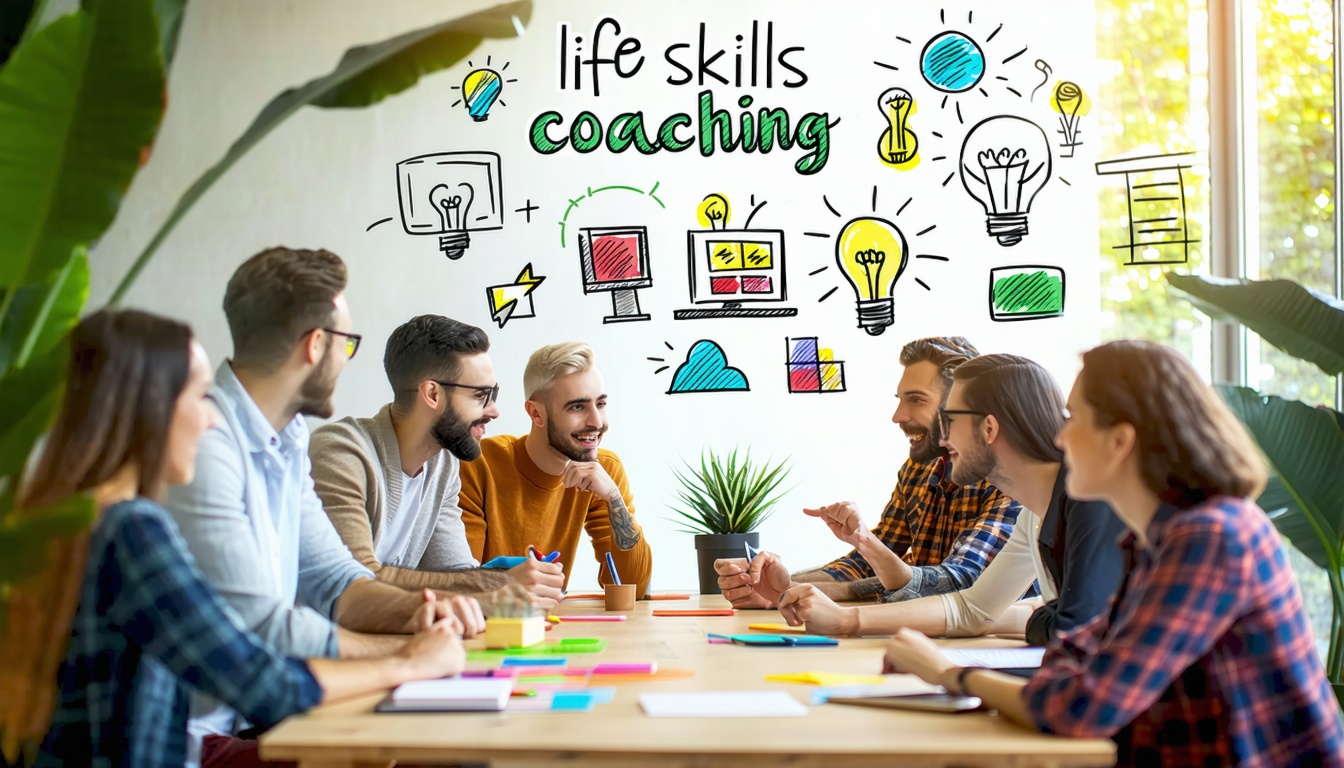
Life skills coaching can be a powerful way to transform your life, particularly when you are navigating substance use treatment, reentry support, and other critical life-stabilization services. Through a personalized, supportive environment, you can cultivate essential competencies such as emotional intelligence, time management, decision-making, and healthy communication. At In the Gap Academy, you will find a holistic and culturally sensitive approach that acknowledges your unique challenges, fosters healing, and offers the support necessary for lasting recovery. This article explores what life skills coaching entails, why it is invaluable for substance use treatment and reentry support, and how In the Gap Academy stands ready to guide you toward a renewed sense of empowerment.
Understand life skills coaching
Life skills coaching focuses on improving practical, day-to-day abilities that traditional academic settings often overlook. You learn how to handle challenges confidently, communicate effectively, and manage your time in a way that promotes sustainable progress in all areas of life. According to CoachRanks, individuals who engage with a life skills coach benefit from a customized approach that aligns with personal goals and well-being.
Why these skills matter
When you strengthen core competencies like stress management, financial literacy, or emotional intelligence, you improve your foundation for long-term success. By building healthier habits and thought patterns, you reduce your vulnerability to relapse or setbacks, especially during periods of reentry or transition. Although these soft skills may seem intangible, they have a profound impact on your ability to navigate life’s pressures head-on.
- Effective communication: Learning to express your needs and feelings openly can reduce misunderstandings and create more productive discussions at home or in group settings.
- Emotional intelligence: Recognizing and managing your emotions fosters better decision-making and reduces impulsivity.
- Problem-solving: Creative thinking and logical analysis are key to staying calm in high-stress situations.
- Time management and organization: Setting goals, prioritizing tasks, and efficiently structuring your day help you stay on track and maintain a sense of control.
- Resilience and adaptability: When life throws unexpected hurdles your way, your ability to pivot and find solutions keeps you moving forward.
Life skills coaching compared to other supports
Although it can include elements of counseling and mentoring, life skills coaching is distinct in its emphasis on tangible skill-building and growth in everyday situations. Unlike purely therapeutic interventions, which often explore internal issues or past trauma in depth, coaching focuses on strategizing actionable steps for improvement. Coaches provide you with exercises to practice independently, seeking consistent progress rather than a one-time breakthrough. This method enables you to make steady gains that feel personal, achievable, and relevant.
Identify key benefits
Strengthening your competence in everyday skills can make all the difference if you are in substance use recovery or adjusting to significant life changes such as reentry from the justice system. Life skills coaching provides an encouraging, individualized plan that recognizes your unique challenges and guides you toward sustainable solutions.
Potential outcomes for reentry
Individuals returning to society after incarceration can face enormous obstacles, from finding stable housing to navigating family expectations. Life skills coaching empowers you to develop resilience, communicate about your experiences with honesty and clarity, and handle day-to-day tasks without becoming overwhelmed. Some outcomes may include:
- Greater ability to prioritize responsibilities, from job searching to maintaining personal appointments
- Improved confidence when discussing background details with potential employers, landlords, or community members
- Fuller recognition of your emotional triggers and the ability to manage anger or frustration productively
Substance use recovery support
Recovery from substance use often includes multiple therapeutic components, such as group therapy addiction or individual therapy. However, the role of life skills coaching is unique because it encourages you to apply lessons learned in treatment to actual daily encounters:
- Emotional regulation: Avoiding relapse can hinge on recognizing personal stressors. With coaching, you learn healthy coping strategies to handle those triggers.
- Building structure: Establishing a consistent routine, complete with meal plans, exercise schedules, and social commitments, can deeply stabilize your life post-treatment.
- Setting reachable goals: Collaborating with a coach, you break down large objectives, like returning to work or reconnecting with family members, into manageable tasks.
Heightened accountability
Having someone to check in with regularly can keep you motivated and engaged. Life skills coaches often assign practical “homework,” such as practicing assertive communication or scheduling day-to-day activities in a planner. This added level of accountability proves especially beneficial for individuals in early stages of reentry, where consistency is crucial, or those transitioning from a structured environment into more independent living.
Discover In the Gap Academy
An increasing number of people seek holistic, culturally sensitive programs that combine comprehensive care with life skills coaching. In the Gap Academy stands at the forefront of these services, committed to offering you the supportive environment and tailored treatment programs you need for lasting recovery. Through a combination of individualized plans, professional expertise, and meaningful community connections, In the Gap Academy becomes a trusted partner in your self-improvement journey.
Why choose In the Gap Academy
In the Gap Academy’s approach goes beyond standard therapy or counseling. By merging evidence-based methods with life skills coaching, the Academy emphasizes overall personal development. You receive:
- A deep recognition of your individual story, including cultural background and community ties
- Programs that nurture strong life competencies, from employment readiness coaching to emotional regulation
- Tools for building confidence, self-awareness, and stronger decision-making
Furthermore, In the Gap Academy integrates your life skills coaching with vital support systems like trauma recovery counseling or anger management counseling if needed. This interconnected approach ensures that all factors affecting your well-being are thoroughly addressed.
Culturally sensitive and holistic care
Feeling understood is key to successful recovery. By applying culturally humble practices, In the Gap Academy removes barriers that historically marginalized groups often face. Cultural sensitivity shines through in everything, from staff training to the type of group activities offered, ensuring that the guidance you receive respects your experiences. You are invited not just to heal but to express your identity freely and connect with the community in meaningful ways.
- Cultural humility therapy: Encourages open dialogue around cultural values and lived experiences.
- Support for underserved communities: Addresses disparities in mental health and recovery services, ensuring you receive the resources you need.
Research-driven and evidence-based
Grounding its methods in well-researched concepts, In the Gap Academy continuously refines its programs to reflect best practices. For instance, data highlights how improving problem-solving abilities can boost your confidence and job prospects. A significant increase in life coaching revenue (predicted to rise to $2.1 billion by 2030) underscores the growing reliance on evidence-based support in personal development (Coursera).
The Academy’s goal is to deliver solutions tailored to your actual needs, bridging therapeutic interventions with life skills coaching. In this way, you stay on track not only in overcoming addiction or legal hurdles but also in laying a solid foundation for your future achievements, whether in career, family life, or emotional well-being.
Explore tailored programs
One of the hallmarks of In the Gap Academy is the range of targeted services designed to address specific circumstances. These programs align seamlessly with life skills coaching to form a comprehensive plan of action.
Substance use case management
For many navigating substance use challenges, a coordinator takes your situation into account and builds a structured approach:
- Measuring progress: Recovery outcome tracking ensures each plan is refined and adjusted based on real-time results.
- Monitoring requirements: Ongoing participant monitoring keeps you accountable and ensures consistent engagement.
- Holistic additions: You may be directed to holistic wellness therapy or motivational interviewing therapy to complement life skills coaching sessions.
Reentry planning services
Returning to your community after incarceration requires a nuanced approach that accounts for job readiness, emotional well-being, and familial expectations. In the Gap Academy’s reentry planning services together with life skills coaching can help you:
- Secure stable housing: You can find resources through housing stabilization support.
- Gain transport assistance: Transport support services ensures you attend appointments, interviews, and errands on time.
- Develop employable strengths: Employment readiness coaching prepares you to interview with confidence and manage new job responsibilities.
Family-focused and peer support
The environment in which you heal is critical. That is why In the Gap Academy places emphasis on community and family systems, believing that sustainable recovery often requires a strong social network.
- Family therapy: Learning to communicate effectively with loved ones reduces tension and clarifies everyone’s needs.
- Peer support groups: Sharing experiences with individuals who face similar challenges can lessen isolation and build camaraderie.
- Parent coaching support: If you are balancing recovery with raising children, life skills coaching integrates well with specialized parent guidance so you can navigate stress more confidently.
Specialized interventions
For some, unique interventions help break harmful patterns or set healthier boundaries:
- Marijuana intervention program: Addresses cannabis misuse that might be overshadowing deeper concerns.
- Justice involved counseling: Focuses on you if you have a history with the justice system, ensuring you understand and fulfill any legal mandates.
- Court compliance counseling: Helps you meet court requirements and clarifies how to avoid charges or violations in the future.
With these specialized services, In the Gap Academy ensures that your life skills coaching is not an isolated intervention—but part of a fully integrated plan that acknowledges your emotional, societal, and legal factors.
Read frequently asked questions
Below are the top five questions people often ask when they are first introduced to life skills coaching. Understanding the answers may help you decide whether In the Gap Academy’s approach is the right fit for you or a loved one.
1. What exactly is life skills coaching?
Life skills coaching is a personalized process that equips you with essential capabilities to handle everyday challenges. You build problem-solving strategies, improve communication, and learn how to manage your emotions more effectively. Unlike therapy, which can focus on past experiences, life skills coaching emphasizes practical goals and action plans that align with your present circumstances. By practicing new behaviors in real-world situations, you maintain steady progress and lay the groundwork for long-term growth.
2. How does life skills coaching support substance use recovery?
Life skills coaching enhances substance use recovery by strengthening your abilities to cope with stressors and cravings. You may, for instance, develop time management skills that reduce boredom or idle periods—common triggers for relapse. Emotional intelligence coaching helps you regulate feelings of frustration or anxiety, and problem-solving coaching improves your response to unexpected challenges. By combining these skills with substance use psychoeducation and group support, you gain a holistic framework for sobriety.
3. Is life skills coaching the same as therapy or counseling?
They share similarities, but they are not identical. Therapy and counseling often focus on processing trauma, exploring your history, or resolving deep-rooted emotional concerns. Life skills coaching, by contrast, zeroes in on practical skill-building for improvement in everyday functioning. Your life skills coach will likely collaborate with other professionals—such as counselors, therapists, or case managers—to ensure you receive comprehensive care. This integration can make your experience more seamless, especially if you also engage in group therapy mental health or trauma recovery counseling.
4. How do I know if I need life skills coaching?
If you find yourself struggling with daily tasks, feeling overwhelmed by decisions, or simply seeking more stability in your personal or professional life, a life skills coach can help. Individuals in recovery from addiction or returning from a correctional facility often lack structured support systems. A coach can guide you in developing healthy habits, boosting your self-confidence, and ensuring that personal goals—like finding employment or improving relationships—are realistic and actionable. Moreover, if you feel that standard therapy overlooks the day-to-day “how” of progress, life skills coaching might be an ideal supplement.
5. Can In the Gap Academy help me beyond life skills coaching?
Absolutely. In the Gap Academy provides a wide range of services designed to support your entire journey, from initial assessment to long-term aftercare. If you need help with reentry, you will gain access to non punitive accountability program options that motivate you without harsh penalties. If you require assistance balancing work with recovery, check out their workplace drug education and eap hr focused training. These additional programs complement life skills coaching, ensuring that your recovery and transition are smooth, sustainable, and respectful of your individual story.
Conclusion
Empowering yourself through life skills coaching can serve as a crucial step toward independence, stability, and hope. By developing tangible competencies such as emotional intelligence, communication techniques, and time management, you open the door to a healthier, more fulfilling life path. In the Gap Academy combines this skill-based approach with an array of supportive treatments tailored to your unique story. Whether you or a loved one stands at the threshold of reentry, substance use recovery, or simply needs guidance to manage life’s complexities, you will find a nurturing and comprehensive care model that addresses who you are as a whole person.
You deserve a fresh start that not only helps you recover, but also lifts you to your fullest potential. Turn to In the Gap Academy for holistic, culturally sensitive, and expert-guided assistance in forging the skills that will sustain you through challenges and beyond. Embrace life skills coaching, backed by the Academy’s complete network of services, as your roadmap to stability, growth, and success.