
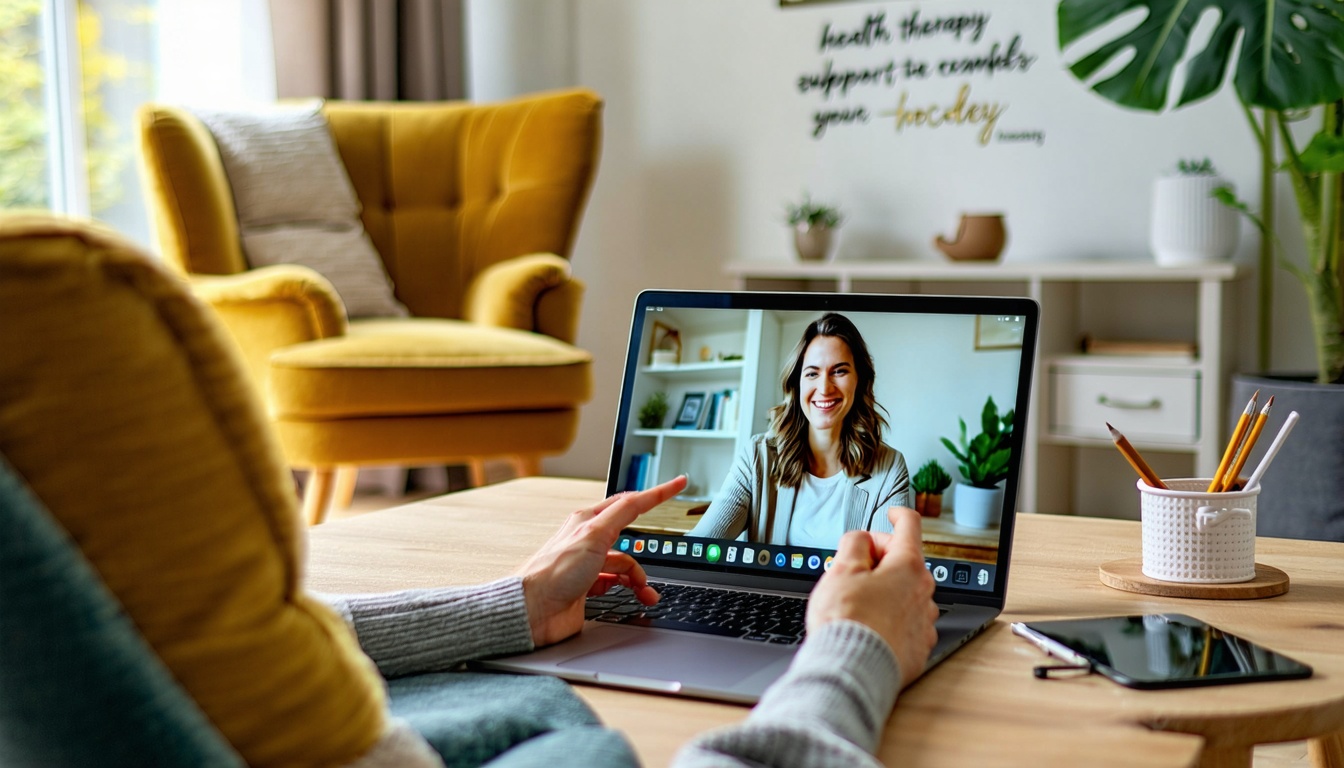
Telehealth substance use services are rapidly gaining recognition as a transformative approach to treatment and recovery. When you or a loved one are seeking a path to healing, remote care can expand your options, enhance your privacy, and ensure that you receive professional support when you need it most. In many cases, telehealth helps bridge gaps in accessibility, whether you live in an underserved area, have a busy schedule, or prefer discrete online counseling. By taking advantage of modern telemedicine tools, you can integrate crucial therapy sessions, group support, and educational programs into an existing routine without uprooting your entire life.
At In the Gap Academy, we believe it is vital to address the complex challenges of substance use disorders, including reentry support and life-stabilization needs. Our remote treatment options, combined with extensive in-person programs, create a comprehensive approach that keeps you connected and supported. This balanced system of care fosters an environment where acceptance, empathy, and practical guidance intersect—right from your home. Below, you will find detailed insight into why telehealth is a powerful method for substance use treatment, how In the Gap Academy’s unique perspective can guide you, and which programs may help reinforce your journey to lasting recovery.
Understand why telehealth matters
Telehealth has evolved significantly in recent years, especially in the field of addiction treatment. Providers can now deliver virtual counseling, prescribe relevant medications (under certain conditions), and monitor patient progress remotely. This has improved overall access to care and addressed the gap in services once faced by those living in rural or isolated areas.
What telehealth means in addiction treatment
When you think about substance use treatment, you may picture traditional, face-to-face therapy. While in-person care remains a cornerstone of many programs, interest in virtual care has soared for good reason. Telehealth for behavioral health works through video consultations, phone calls, or even chat-based platforms. These technologies equip you with:
- Comprehensive care from credentialed experts
- Regular check-ins to ensure accountability
- Personalized counseling tailored to your lifestyle
- Access to group sessions, workshops, and educational resources to maintain motivation
According to the Telehealth for Behavioral Health Care guidelines, remote sessions can effectively augment or, in some cases, replace certain in-person treatments. They often serve as part of a broader continuum of services that might include clinical evaluations, medical detox, and long-term aftercare.
Evolving demand for remote care
Quicker internet speeds, improved communication platforms, and policy changes have fueled the expansion of telehealth in addiction treatment. During the COVID-19 pandemic, the reliance on virtual care surged. A SAMHSA report found that substance use treatment facilities providing telemedicine more than doubled from 2019 to 2020. This underscores a wave of acceptance from both providers and individuals seeking help.
Despite these advancements, concerns about technology barriers or reduced face-to-face interaction remain valid. However, studies conducted by the National Institute on Drug Abuse show promising retention rates in telehealth-based treatments for opioid use disorder, particularly when matched with appropriate resources. This suggests that if you choose a reputable, credible provider that integrates multiple layers of support, telehealth can be a powerful option.
Discover the benefits for you
Turning to telehealth-based addiction treatment offers more than just convenience. By providing a safe space for reflection and accountability, online platforms can effectively complement or replace standard treatment methods in some scenarios. While no single model fits every individual, evaluating these benefits can help you make a well-informed choice.
Greater convenience and privacy
One of the central advantages of remote care is the flexibility it provides. When you can schedule appointments that align with your daily routine—like before or after work, or during a family member’s nap time—you reduce the stress involved in meeting in-person obligations. This can be especially valuable if you have multiple responsibilities in your household or workplace.
Online counseling sessions can also facilitate greater privacy. Traveling to a specific treatment center can be difficult for some, partly due to concerns about stigma. Receiving therapy in your own home ensures you keep a low profile and protect confidentiality. According to the Impact Outpatient Program, many individuals appreciate that they can avoid public waiting rooms or potential judgment from others.
Enhanced accessibility for all
Telehealth addiction care is a great equalizer: it allows individuals from remote or underserved areas to consult specialists typically available in more urban centers. For instance, an RV mobile unit created by the University of Maryland brings therapy into rural communities, as noted by HHS Telehealth.
At In the Gap Academy, we recognize that overcoming geographical constraints is crucial. Perhaps you lack reliable transportation, or your local clinic has month-long waitlists. Telehealth can bypass these challenges. For those who need additional support, we also offer transportation assistance services and housing assistance support to facilitate in-person care when it aligns with your overall plan.
Integration with holistic approaches
In many cases, an effective treatment plan requires more than hourly counseling sessions. Some people benefit from group therapies, physical wellness components like yoga, or spiritual practices that encourage reflection. At In the Gap Academy, our approach to telehealth is comprehensive. Remote sessions can be paired with in-person or virtual workshops focusing on anger management, life skills training program, and employment readiness program.
Through these integrated strategies, you can actively work on both your internal and external well-being. Everything from mindfulness exercises to relapse prevention scenarios can be delivered effectively online with real-time support. Over time, this integrated approach builds confidence and resilience that helps sustain positive change well into the future.
Appreciate the role of In the Gap Academy
Selecting a provider you can trust is paramount, given the intimate nature of substance use treatment. In the Gap Academy’s telehealth services rest on a framework of empathy, evidence-based practices, and a deep commitment to cultural sensitivity. We believe in your ability to overcome addiction’s challenges, and we tailor tools and interventions that support you at every step.
Commitment to culturally sensitive care
Substance use disorders do not discriminate, yet cultural factors can influence how you perceive your own struggles or how you seek help. We integrate cultural responsive outpatient care into our telehealth programs, ensuring that language, cultural norms, and social dynamics are addressed in each therapy session.
Our mission is to create a space where you feel comfortable discussing personal challenges, including family roles or community expectations that might shape your experience with substances. By emphasizing cultural sensitivity, we aim to eliminate misunderstandings and make sure every aspect of your identity is respected.
Tailored telehealth-based treatments
Individualized treatment plans remain central to effective care. Telehealth allows you to connect with clinicians for individual counseling sessions that center on your unique journey. Do you struggle with internalized shame? Do you face acute withdrawal symptoms? Our licensed professionals will point you toward specialized interventions such as clinical substance use evaluation, medication-assisted treatments, or structured recovery plans.
For those who prefer support groups, we coordinate telehealth group sessions that unite people facing common struggles. If you require more intensive therapies, you can merge remote sessions with additional services like court ordered treatment, returning citizen support program, or justice involved reentry support. These blended routes highlight our commitment to a flexible framework—whether you need telehealth for day-to-day guidance, or in-person assistance for legal complexities.
Life-stabilization beyond treatment
Addressing substance use is one piece of the larger puzzle. Life stabilization involves career planning, family dynamics, mental health considerations, and more. Our telehealth programs pair seamlessly with in-person resources that can help you reestablish all aspects of your life. For instance, if you need a supportive environment to manage triggers or find stable housing, we can work with you online to set up the necessary appointments, prepare for interviews, or teach coping strategies.
At the same time, we encourage you to explore local community-based programs, such as our community education workshops or peer mentorship. Combining telehealth counseling and local support ensures you receive guidance consistently, especially during moments of crisis or sudden triggers. You do not have to sacrifice strong personal engagement for the ease of remote therapy—both can operate in tandem.
Recognize challenges and solutions
Telehealth might not be a perfect fit for everyone, yet multiple studies show that its potential for improving treatment access, maintaining privacy, and reducing costs can make it incredibly effective. Still, there are practical factors to consider when deciding if remote care is right for you or a loved one.
Addressing technology barriers
Fear of technology, unreliable internet service, or lack of devices can lead to missed appointments and diminished engagement. At In the Gap Academy, we work through these hurdles by offering guidance on setting up virtual connections. If you have concerns about data or video calls, audio-based options and phone check-ins can fill those gaps.
Rural areas may experience slower internet speeds, but a stable phone line can often support effective telehealth sessions. If you do not have the devices necessary for consistent telehealth use, local community centers or libraries may be viable options. When feasible, we can also guide you toward discounted internet programs or specialized telehealth grants that cover out-of-pocket technology costs.
Ensuring privacy and confidentiality
The Health Insurance Portability and Accountability Act (HIPAA) in the United States imposes stringent security measures to safeguard your medical information. Similar regulatory frameworks exist for telehealth platforms, ensuring that your sessions remain private. We understand your need to feel comfortable when disclosing sensitive details about personal struggles, so each session is conducted via secure, encrypted channels.
Concerns about data breaches or hacking are valid in any digital environment. However, reputable telehealth systems meet strict federal guidelines, which protect against unauthorized access. At In the Gap Academy, we evaluate our platforms regularly for compliance to make sure your confidentiality remains a priority. If you ever have questions about privacy, we encourage open discussion with your assigned counselor or support staff.
Examine success rates and research
Trust in telehealth grows when supported by solid evidence. We know that trying online substance use treatment can be daunting, especially if you are used to face-to-face therapy. However, various scientific studies highlight the effectiveness of telehealth, including improved retention rates for certain types of care.
Retention in treatment outcomes
Research from the National Institute on Drug Abuse indicates that individuals who begin buprenorphine treatment via telehealth are more likely to remain in treatment for at least 90 days compared to those starting in nonvirtual settings. In Kentucky, for instance, 48% of people who initiated telehealth-based buprenorphine treatment maintained consistent engagement, as opposed to 44% of those not using telehealth. Retaining regular contact with providers appears to mitigate the risk of abrupt relapses.
To support these structured medication-assisted programs, telehealth often includes ongoing behavioral therapies, such as cognitive-behavioral therapy or motivational interviewing. When done consistently and in tandem with medication or psychosocial support, such treatment plans prove highly effective in preventing relapse and sustaining progress. Overall, they can help you build a robust foundation for long-term recovery.
Evidence-based frameworks
Beyond retention rates, telehealth offers flexibility for integrating multiple evidence-based therapies swiftly. Rather than waiting weeks for an in-office appointment, you can schedule sessions more frequently—decreasing the likelihood that you will disengage. According to the Post University Blog, teletherapy, particularly when offered alongside cognitive-behavioral approaches, correlates with positive outcomes for individuals dealing with moderate substance use issues.
At In the Gap Academy, we emphasize methods backed by research. Our aim is to treat not just the surface-level symptoms of addiction but also to provide a holistic outpatient support system rooted in real-world evidence. Tools such as mindfulness coaching, group accountability, and structured scheduling are just as viable online as they are in person. In many cases, a hybrid approach brings the best of both worlds: consistent digital access paired with occasional in-person visits if you need more hands-on support or additional intervention.
Explore your program options
In the Gap Academy understands that every journey is unique. We have a range of in-person and telehealth-based services that align with your schedule, comfort level, and overall goals. These programs blend professional expertise with an empathetic setting that encourages you to share your story and build self-awareness.
Partial hospitalization and outpatient
If you need a high level of support yet still want to maintain some daily responsibilities, you might consider our partial hospitalization program php. This option combines structured daily treatment with the flexibility of returning home after sessions. Similar intensity is also available in our intensive outpatient program iop for those seeking an in-depth framework with slightly fewer clinical hours.
For clients who may not require intensive supervision or who have completed a higher level of care, an outpatient program op can be an excellent fit. From the convenience of your home or through brief on-site visits, you will continuously benefit from accountability measures, therapy sessions, and group check-ins. If you need specialized approaches for legal or mandated care, our court ordered treatment and structured outpatient care services are also available.
Virtual interventions for reentry support
Reentry support stands as an essential part of many individuals’ recovery process. You might be transitioning out of a correctional environment or returning from a different form of institutional care. Our justice involved reentry support and returning citizen support program can be conducted largely through telehealth if that better suits your situation. These programs focus on vocational training, legal coordination, and mental health support.
Because these reentry services are designed to address unique challenges—such as stigma, employment barriers, and reconnecting with family—they often integrate telehealth counseling that addresses your emotional well-being. You can also combine them with services like employment readiness program or housing assistance support to bolster your independence.
Focus on personal empowerment
Our telehealth model strongly emphasizes personal empowerment, which means equipping you with practical tools to forge long-lasting stability. For example, you might benefit from a family counseling session via video call to structure healthier communication patterns. If you are a parent, the parent support program can provide guidance on balancing your responsibilities at home with your own healing.
We also offer several specialized programs tailored to specific populations, including adolescent substance use program and marijuana education program. By participating in these interventions online, you gain the freedom to schedule them around school or work. Our approach is comprehensive, ensuring you grow not only in sobriety, but also in emotional strength and interpersonal skills that reinforce a positive lifestyle.
Get answers to FAQs
Below are five frequently asked questions regarding telehealth-based substance use treatment, each answered to help you make a sound decision for yourself or a loved one.
-
Is telehealth as effective as in-person treatment?
Many studies suggest that telehealth treatments can be just as effective as in-person care—especially if they incorporate evidence-based practices like cognitive-behavioral therapy. By removing geographical barriers and scheduling issues, telehealth often helps individuals stay consistent with their sessions, which can enhance overall outcomes. -
Will my insurance cover telehealth addiction services?
Coverage varies by insurance plan, but an increasing number of providers do include telehealth services. Policies were broadened during the COVID-19 pandemic to accommodate more flexible care, and many of these changes remain in effect. Check with your provider or ask our intake specialists for guidance. -
How do I handle technical difficulties during a session?
At In the Gap Academy, we aim to make the process as seamless as possible. Our staff will walk you through basic troubleshooting—such as checking internet connection or using a password-protected telehealth platform. If a session gets interrupted, a quick phone call typically allows you to continue therapy in an audio format. -
Can I use telehealth if I need medication-assisted treatment (MAT)?
Yes, in many instances you can begin medication-assisted treatment through telehealth. Authorized providers can prescribe medications—like buprenorphine—when certain criteria are met. The prescribing rules vary by state, so we recommend discussing your location and specific treatment needs with your counselor. -
Does telehealth offer group therapy sessions?
Absolutely. Group therapy and online support groups are readily available through various telehealth platforms. In these settings, you will interact with others walking a similar path and gain the encouragement of peers, all while preserving the flexibility of remote sessions. This fosters a supportive environment focused on collective growth.
Conclusion
Trusting telehealth to overcome substance use challenges can open an entirely new world of accessible and empathetic care. By removing common barriers—like transportation, scheduling conflicts, and fear of public stigma—telehealth programs empower you to prioritize your health from wherever you are. With help from In the Gap Academy, you can customize a plan that combines remote sessions with in-person services, ensuring that no aspect of your journey goes unaddressed.
Whether you decide to leverage our intensive outpatient program iop, explore an aftercare planning outpatient path, or simply want to learn more about how telehealth can fit into your daily life, we are here to guide you. From individualized counseling and group therapy to reentry support and skill-building workshops, every service is crafted to uplift you and nurture a foundation for sustained recovery.
Telehealth stands as a powerful tool. When chosen mindfully and supported by verified research, it can provide the comprehensive care, individualized plans, and supportive environment necessary for lasting recovery. By embracing this virtual approach, you or your loved one can reclaim hope and move forward with renewed confidence in a healthier, more empowered life.